What Counts as Clean Dirt and Clean Fill
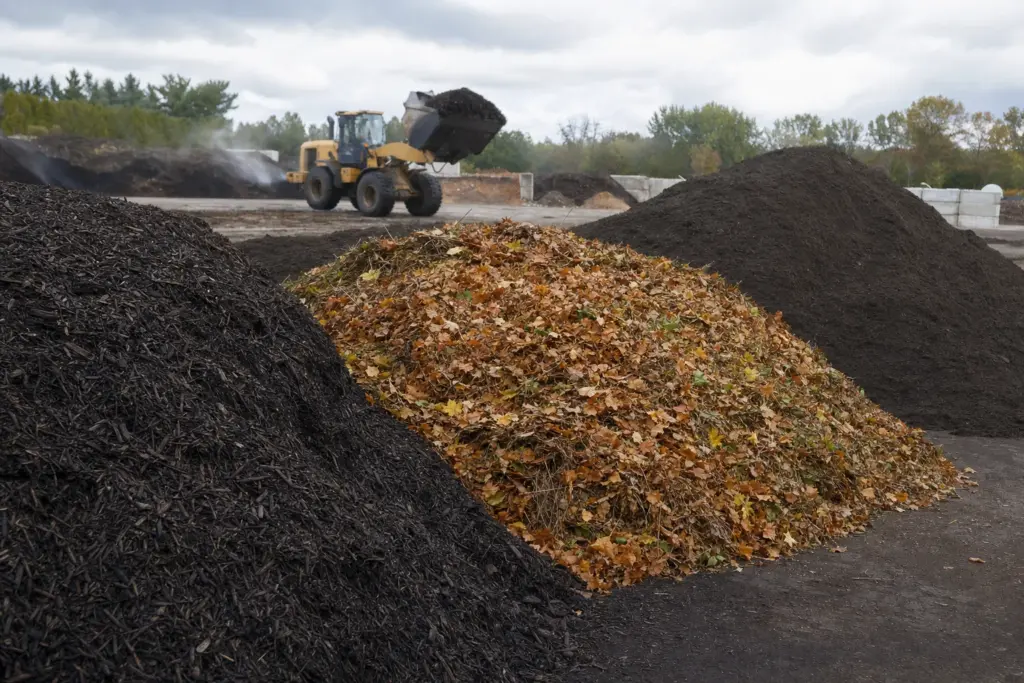
Excavation and landscape crews move a lot of soil, and not all of it is created equal. When Rock Solid Excavation says the drop-off site takes clean dirt and clean fill, that phrase has a specific meaning — and getting it right is the difference between a load that dumps fast and one that gets turned around. This post breaks down what clean really means so your crew can sort it once at the source and roll through.
The simple definition
Clean dirt and clean fill are soil and earthen material with nothing mixed in that doesn't belong in the ground. That's it. If you could put it back in a hole and never worry about it, it's clean.
In practice that means:
- Native soil, subsoil, and screened or unscreened earth
- Sand and clay from a dig
- Stone and gravel mixed naturally into the soil
- Dirt that's free of organic trash, debris, and contaminants
The test is whether the material is just earth. Once something foreign gets in — and it doesn't take much — it stops being clean fill and becomes a problem load.
What disqualifies a load
These are the things that turn clean dirt into a load we can't take:
- Concrete, brick, and rubble — construction debris is its own category, not fill
- Treated, painted, or pressure-treated wood — chemicals don't belong in the ground
- Trash, plastic, and household garbage — anything that won't break down or reuse
- Metal, wire, and rebar — hazards that have to be picked out by hand
- Anything that looks or smells contaminated — fuel, oil, or chemical staining
The reason is straightforward. Clean fill can be reused — graded, stockpiled, or worked back into a project. Contaminated material can't, and one truckload of mixed junk can ruin a clean stockpile and slow down every crew in line behind it.
How to keep your dirt clean from the start
The cleanest loads happen on the job site, not at the drop-off. When your crew separates spoil from demolition debris as you dig, the dirt stays clean and the rubble goes to where rubble goes. Trying to sort a mixed pile after it's loaded is slow and rarely works well.
A few habits that keep fill clean:
- Stockpile soil away from the demo pile on the job
- Keep a separate bin or area for concrete and trash
- Watch for buried surprises — old footings, bottles, wire — as you load
- When in doubt about a questionable load, call John before you haul it out
Sort at the source and the drop-off becomes the fast part of your day instead of a gamble.
The other thing that helps is knowing your site before you dig. Older lots, former farmsteads, and previously developed parcels are the ones most likely to turn up buried surprises — old foundations, dump pockets, fill that someone else contaminated decades ago. If you suspect a site has been used as a catch-all in the past, load with an extra eye on what comes up. Catching a problem in the bucket is easy; catching it after a load is dumped is not.
Frequently asked
Does clean fill have to be screened?
No. Screened soil is welcome, but unscreened native dirt is fine too, as long as it's free of trash, concrete, and treated debris. Clean is about contamination, not particle size.
Can clean dirt have rocks and gravel in it?
Naturally occurring stone and gravel mixed into the soil from a dig is fine. The concern is man-made debris like concrete, brick, and rubble, not the rocks that came out of the ground with it.
What about dirt with grass and roots in it?
Soil with grass, roots, and organic matter is generally fine since it's still organic and earthen. The line is drawn at trash, treated material, and construction debris.
Where does my concrete and rubble go?
Not here — that's construction debris, a separate stream from clean fill. Keep it separated on the job and route it to a facility that takes it. Ask John if you need a pointer.