The Residential Demolition Process, Start to Finish
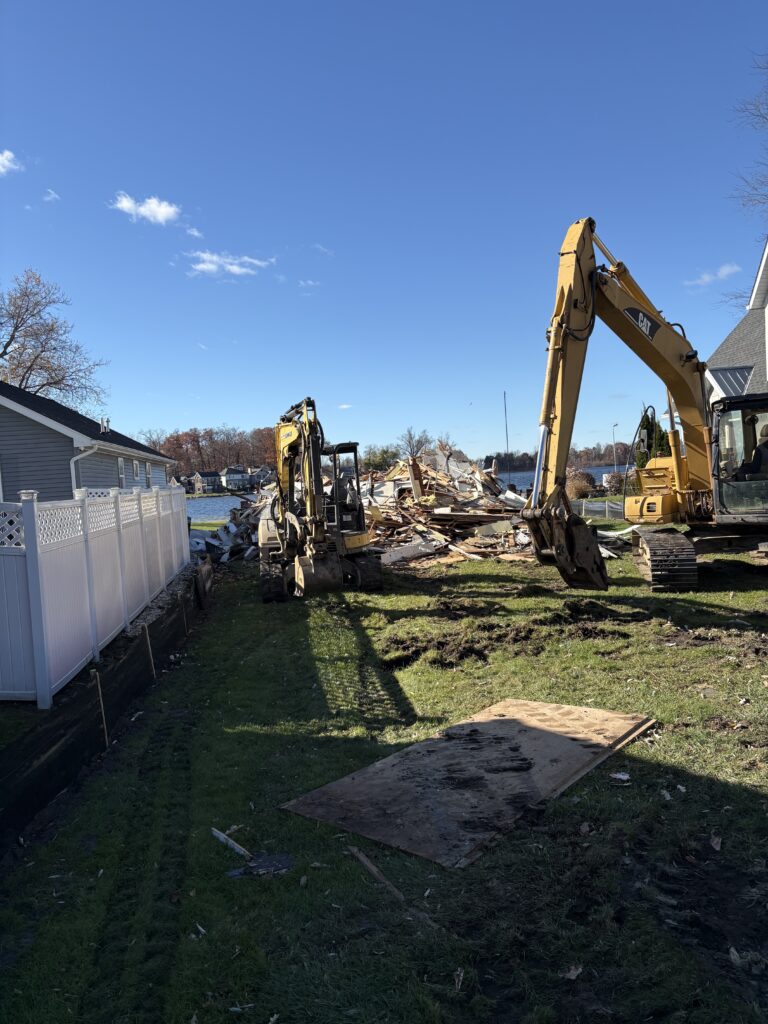
Tearing down a house looks like one big violent moment, but the actual work is a sequence of careful steps that mostly happen before any machine touches the structure. When John walks a property in Genesee or Oakland County, the goal is simple: take the building down in a controlled way and hand back a clean, level lot. Here's how that goes from the first conversation to the last pass of the grader.
Before Anything Comes Down
Most of the real planning happens while the house is still standing. We walk the site, look at access, check what's around it, and talk through what you want the ground to do afterward.
- A walk-through to size up the structure, access, and the lay of the land
- Sorting out permits with the local township or municipality
- Getting utilities shut off and disconnected before work starts
- Flagging anything that may need professional testing, like older materials that could contain asbestos
That last point matters on older homes. We don't guess at hazardous materials. Where there's any question, the right move is professional testing and, if needed, licensed abatement before demolition begins. Getting that order right keeps everyone safe and keeps the job legal.
The Takedown and Cleanup
Once the plan is set, permits are in hand, and utilities are confirmed dead, the structure comes down in a planned sequence rather than all at once. We work in an order that keeps the site controlled and protects whatever's nearby.
- Soft strip where it makes sense, pulling out anything that shouldn't go through the machine
- Bring the structure down in stages, working with the building, not just against it
- Sort debris as it falls, separating concrete, metal, and clean wood for recycling
- Haul off what's left so you're not staring at a pile for weeks
- Address the foundation and any slab or basement, filling and compacting as needed
Sorting as we go is the part that keeps material out of the landfill. Concrete, metal, and clean wood all have somewhere better to go than a dumpster, and pulling them out during the takedown is far easier than digging through a mixed pile later.
Why the Order of Operations Matters
A residential demolition is really a chain of steps where each one depends on the one before it, and that's why the sequence isn't something we improvise. You can't safely take a structure down until the utilities are confirmed dead. You shouldn't have those disconnects scheduled until the permit is moving. And you don't want to start the permit process on an older home until you know whether testing is needed for materials that might contain asbestos, because that can change the whole timeline. When the steps happen out of order, jobs stall, costs creep, and safety slips. Walking the property first lets John map that chain end to end, so the front-end work — the permits, the disconnects, any testing — runs in parallel where it can and in the right order where it has to. By the time the equipment shows up, there's nothing left to figure out. The takedown is just the visible result of a plan that was already finished. That's the difference between a demolition that runs clean and one that turns into a string of delays.
Leaving the Lot Ready
A demolition isn't finished when the building is gone. It's finished when the ground is usable again. After haul-off, we grade the site so it drains and sits level, whether you're putting up a new build, pouring a slab, or just want clean open ground. On Michigan clay, leaving a lot rough and lumpy means standing water and uneven settling over the first winter, so the final grade is part of doing the job right.
Frequently asked
How long does a residential demolition take?
The takedown itself is often quick once everything's in place. The bigger variable is the lead-up — permits, utility disconnects, and any required testing. After John walks the property, you'll get a straight timeline in the estimate.
Do I need permits to tear down my house?
Usually, yes. Demolition permits and utility disconnect confirmations are handled through your township or municipality. We'll flag what's needed during the walk-through so nothing stalls the job.
What happens to the old foundation and basement?
We deal with it as part of the job — breaking it out where needed, then backfilling and compacting so the ground is stable and ready for what comes next.
Will the lot be ready to build on when you're done?
That's the goal. Once the structure's down, the debris is hauled, and the ground is graded level, the lot is set up for a new build, a slab, or open ground.