Planning a Multi-Stop Equipment Move
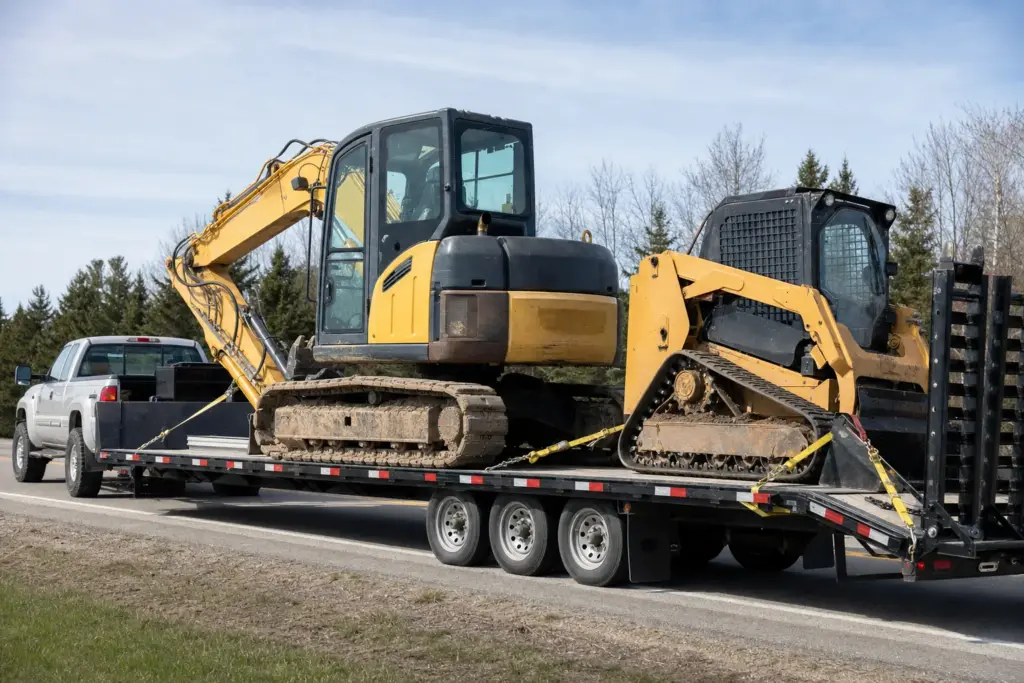
When you've got more than one machine to move or a string of job sites to hit, the smart play isn't a pile of separate trips. It's one coordinated run, sequenced so each piece lands where and when it should. That's a multi-stop move, and getting it right is more about planning than driving. Here's how John builds one when a contractor around Fenton or across Oakland County needs several machines shuffled.
Sequence Is Everything
A multi-stop run lives or dies on the order. Load the wrong machine first and you're unloading and reloading at every stop. The whole point is to load in the reverse order of how things come off, so the first drop is at the back of the trailer and the last drop is loaded first.
That sounds obvious, but it takes knowing the route and the stops before anything gets loaded. We map the run, figure out which site gets which machine, and load the trailer so each stop is a clean drop with no shuffling. When it's planned right, a multi-stop move feels like one smooth trip instead of a series of scrambles.
- Map the stops and the route before loading anything
- Load in reverse order of delivery so each drop is clean
- Match each machine to the site it's headed to
- Account for access and unloading room at every stop
Why One Run Beats Several
The reason to bother with the planning is simple: your machines should be working, not waiting. Every separate trip is more time a machine sits idle and more coordination on your end juggling pickups and drop-offs. Rolling it into one sequenced run keeps the equipment moving and takes the scheduling headache off your plate.
A multi-stop also tightens up timing across a project. If a site needs a skid steer Tuesday morning and an excavator that afternoon, sequencing the run means both land on schedule without you making two phone calls and hoping they line up. The trip gets built around your timeline, not the other way around.
There's a practical limit, of course. A run only stays efficient if the combined loads, the route, and the stops actually fit together. Part of the planning is knowing when to split a move into two runs because forcing it into one would cost more time than it saves.
What We Need From You
The better the information up front, the tighter the run. The big things are which machines are moving, where each one needs to be, and when each site needs it. From there John works out the loading order and the route.
Access matters at every stop too. A site that's tight, soft, or hard to back into changes the plan, and it's better to know that before the trailer shows up than to discover it with a loaded deck. Tell us about the awkward stops ahead of time and we'll sequence around them.
Frequently asked
How many stops can you handle in one run?
It depends on the machines, the distances between sites, and access at each stop. The limit is whatever keeps the run efficient. John works out whether your moves fit one run or make more sense as two.
What if my schedule changes mid-week?
Tell us as early as you can. A multi-stop is built on timing, so a change ripples through the sequence. The sooner we know, the easier it is to re-plan without throwing off the whole run.
Do all the machines have to go to different sites?
No. A multi-stop can mean several machines to one site, one machine to several sites over a route, or any mix. The sequencing logic is the same either way.
Can you do a multi-stop that crosses county lines?
Yes. We regularly run between Genesee, Oakland, Livingston, and Washtenaw County. Longer routes just get more attention to timing and any weight-restricted roads along the way.