Installing a New Septic System: The Process Start to Finish
If you've never put in a septic system, the process can feel like a black box. It's actually a fairly orderly sequence, and most of the surprises come from skipping a step. Here's how a new install goes from first walk-through to a system that's signed off and working.
The Steps, In Order
A septic install follows the site and the soil. We don't dig until we know what the ground can handle and the county has signed off on the plan.
- A walk-through to look at the property, the home's needs, and where a system could go
- Soil testing and a percolation test to see how the ground drains
- A system design sized for the home and suited to the soil
- Permit application and approval through the county health department
- Setting the tank at the right depth and grade
- Building and laying out the drain field for the soil and load
- Connecting the line from the house to the tank
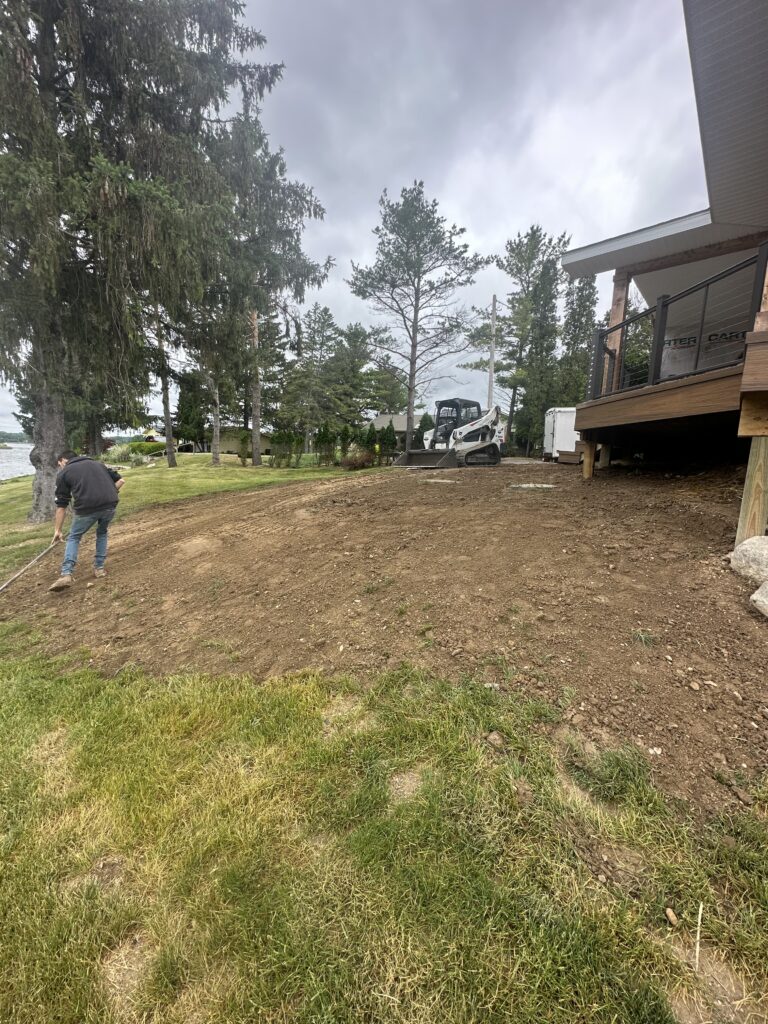
- Backfilling, grading, and restoring the surface
- Final inspection and sign-off before the system goes into service
Why the Order Matters
The soil test drives everything. How fast the ground absorbs water determines how big the drain field has to be and what kind of system the property can support. In our clay-heavy soils, that often means a larger field than sandy ground would need, and sometimes an alternative design. Designing the system before testing the soil is putting the cart before the horse.
Permitting comes next because septic work is regulated to protect groundwater and has to be inspected. We coordinate the permit and inspection with the county so the system goes in to code and gets signed off properly. That coordination isn't a formality — the inspection protects you, the buyer down the road, and the water table.
Setting the tank and field is where the dirt work happens. The tank has to sit at the correct depth and grade so it functions through the year, and the field has to be laid out so effluent distributes evenly and drains. On a new build, this gets planned alongside the rest of the site work so the driveway, utilities, and grading all fit together instead of fighting each other.
Built to Last Through Michigan Winters
A septic system spends its whole life underground, working through every freeze and thaw. That's why depth, grade, and field layout matter as much as the parts themselves. We size and place the system for the property it's serving and build it to ride out the seasons, not just pass inspection on a mild week in spring.
One thing that smooths the whole process is patience on the front end. The part homeowners feel impatient about — the testing, the design, the wait for permit approval — is exactly the part that determines whether the system lasts. The dig is fast and satisfying to watch, but it's downstream of decisions that were already made in the soil test and the design. A system that's rushed into the ground before the soil is understood is the one that comes back as a problem. A system that took its time getting the design right is the one nobody thinks about for decades. When the steps are followed in order and nothing's skipped, the result is a system that goes in clean, passes inspection, and quietly does its job through every Michigan winter that follows.
Frequently asked
How long does a new septic install take?
The dig and install itself is usually a matter of days once the design and permit are in hand. The bigger timeline is on the front end — soil testing, design, and permit approval through the county can take longer depending on schedules.
Do I need a soil test even on a large lot?
Yes. Lot size doesn't tell you how the ground drains. The percolation and soil tests are what determine the system design, and they're required as part of the permitting process.
Can the septic go in at the same time as the rest of the site work?
On a new build, that's the ideal approach. Planning the septic alongside driveways, utilities, and grading keeps the site work coordinated and avoids tearing up finished areas later.
Who handles the permit and inspection?
We coordinate the permitting and inspection with the county health department as part of the job, so the system is installed to code and signed off correctly.