How Heavy Equipment Hauling Actually Works
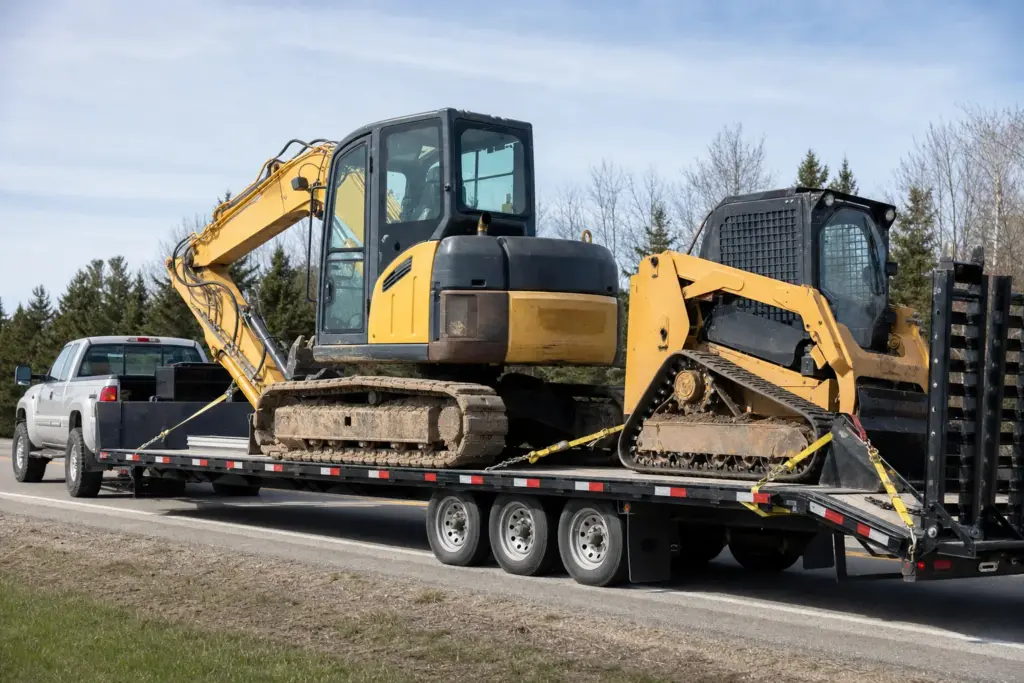
From the outside, hauling a machine looks simple: drive it up a ramp, chain it down, go. The reality has more moving parts. A good haul is most of the work done before the trailer ever rolls, and when John plans a move around Fenton or anywhere in Genesee and Livingston County, that planning is what keeps the machine safe and the schedule honest.
It Starts With the Machine and the Route
Before anything gets loaded, two things get sized up: what's being moved and where it's going. The machine's weight, width, and height decide which trailer fits and whether the load runs into legal limits. The route decides everything else — bridges, weight-restricted roads, low clearances, tight turns into a job site.
A skid steer that loads on a tilt deck in twenty minutes is a different job than a dozer that needs a lowboy and a wide route. Matching the equipment to the right trailer and a route it can actually travel is step one, and skipping it is how people end up stuck at a low bridge with a permit problem.
- Machine weight, width, and height
- Trailer type that fits the load legally
- Route checked for clearances, weight limits, and access
- Whether the load is wide or tall enough to need a permit
Loading, Securing, and the Drop
With the right trailer and route set, the machine gets loaded square and centered so the weight sits where the trailer and truck axles want it. That balance matters as much as the tie-downs — a load that's too far forward or back rides badly and wears on everything.
Then it gets secured. Heavy equipment is chained and bound the way the machine is meant to be tied, anchored at the manufacturer's points, with enough binders to hold it through frost heave, potholes, and hard stops. The load gets checked before pulling out and watched on the way.
At the other end, unloading is loading in reverse, with the same care. The machine comes off square, onto solid ground, ready to drop a bucket and work. A haul isn't finished when the truck arrives; it's finished when the machine is safely off the trailer and the trailer's clear.
Why the Planning Pays Off
Most hauling problems trace back to a step that got skipped early. The wrong trailer, a route with a surprise on it, a load that wasn't balanced, tie-downs that weren't rated for the weight. None of it shows up in the yard. It shows up at sixty miles an hour or at a bridge or on a soft shoulder.
Doing it in order — size the machine, pick the trailer, check the route, load square, secure right, watch the load — means the move is boring, and boring is exactly what you want when there's a dozer behind you. The machine that arrives is the machine that left.
Frequently asked
How long does it take to haul a machine?
The drive is the variable; the loading and securing is fairly consistent. A local move can be done in a few hours start to finish. John sizes the timeline to the machine and the distance when he sets up the haul.
Do I need to be on site for pickup or delivery?
It helps but isn't always required. Someone who can point out where the machine sits and where it should land makes the move smoother. For unattended drops, clear directions and good access are essential.
Can you haul more than one machine at a time?
Often, yes, depending on the combined weight and size against trailer capacity. If it's legal and balanced, running pieces together saves trips. If not, we sequence separate runs.
What if my machine won't start or move under its own power?
Tell us up front. A machine that can't drive on changes how it gets loaded and may need a winch. It's doable, but only if we plan for it before we show up.